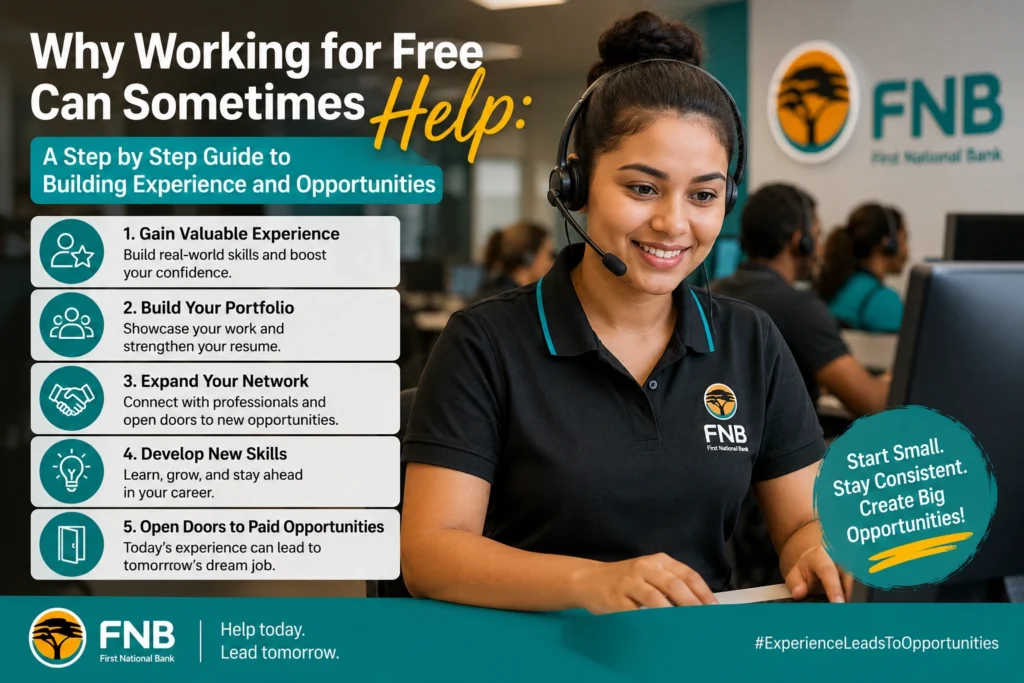

Many people are told never to work for free. It sounds like good advice because your time, skills, and effort have value. Yet the reality is more complicated. For students, graduates, career changers, freelancers, and aspiring entrepreneurs, there are situations where unpaid work can create opportunities that paid work alone cannot provide.
The challenge is knowing the difference between being exploited and making a strategic investment in your future. Some people spend months doing unpaid work without gaining anything meaningful. Others use carefully chosen free opportunities to build portfolios, develop skills, expand networks, and secure better-paying positions later.
Understanding Why Working for Free Can Sometimes Help is important because the right opportunity can accelerate career growth, while the wrong one can waste valuable time and energy.
This guide explains when working for free makes sense, when it does not, and how to use unpaid opportunities strategically to achieve long-term career goals.
Understanding Why Working for Free Can Sometimes Help
Working for free does not simply mean accepting unpaid labor. In a strategic sense, it means exchanging your time and effort for something other than immediate financial compensation.
Examples include:
- Internships that provide practical experience
- Volunteering for organizations
- Helping a startup build projects
- Creating work samples for a portfolio
- Assisting industry professionals to gain mentorship
- Contributing to community initiatives
- Offering services to build credibility and testimonials
The key idea is that you are receiving value in another form, such as:
- Skills development
- Industry experience
- Professional contacts
- Portfolio pieces
- Recommendations
- Exposure to real-world work environments
- Career opportunities
When approached correctly, these benefits can produce returns that outweigh the short-term absence of income.
ALSO APPLY FOR: Y Academy Internships 2026
ALSO APPLY FOR: Discovery Internships 2026
Why This Issue Matters
The modern job market is highly competitive. Employers often expect candidates to have experience before offering opportunities, creating a difficult situation for those just starting out.
Many graduates face the common problem of hearing:
“You need experience to get the job, but you need a job to gain experience.”
This cycle affects millions of job seekers worldwide.
Working strategically for free can help bridge this gap by allowing individuals to:
- Gain practical experience
- Demonstrate initiative
- Learn workplace expectations
- Build professional networks
- Develop confidence
- Create evidence of their abilities
For freelancers and entrepreneurs, unpaid projects can also help establish a reputation before attracting paying clients.
However, the value comes from the experience gained, not simply from working without pay. That distinction is critical.
Situations Where Working for Free Can Be Worthwhile
1. When You Are Building Experience
Experience is often the most valuable currency early in a career.
A graduate with no work history may struggle to compete against candidates who can show completed projects, internships, volunteer work, or practical achievements.
For example:
- A graphic designer can create branding for a nonprofit.
- A software developer can contribute to open-source projects.
- A writer can publish articles for established platforms.
- A marketing student can assist a local business with social media.
These experiences provide real examples that can strengthen future job applications.
2. When You Gain Access to Mentorship
Learning directly from experienced professionals can dramatically accelerate growth.
An unpaid opportunity may be worthwhile if it offers:
- Regular coaching
- Industry insights
- Feedback on your work
- Career guidance
- Professional introductions
The knowledge gained from a respected mentor can save years of trial and error.
3. When You Are Changing Careers
Career transitions often require proving competence in a new field.
Someone moving from administration to digital marketing, for example, may struggle to convince employers without relevant experience.
Short-term unpaid projects can help build evidence of skills and commitment, making future applications more competitive.
4. When the Opportunity Provides Strong Networking Benefits
Professional relationships often influence career opportunities.
Many jobs are filled through referrals, recommendations, and personal connections before they are publicly advertised.
Working on meaningful projects can help you meet:
- Hiring managers
- Business owners
- Industry leaders
- Potential clients
- Future collaborators
These connections can create opportunities that would otherwise be difficult to access.
5. When You Are Building a Portfolio
Many professions require proof of ability.
Examples include:
- Design
- Photography
- Writing
- Video production
- Software development
- Marketing
- Architecture
Without examples of your work, convincing employers or clients becomes challenging.
Strategic unpaid projects can help create a professional portfolio that demonstrates your capabilities.
How to Decide Whether an Unpaid Opportunity Is Worth It
Not every unpaid opportunity deserves your time.
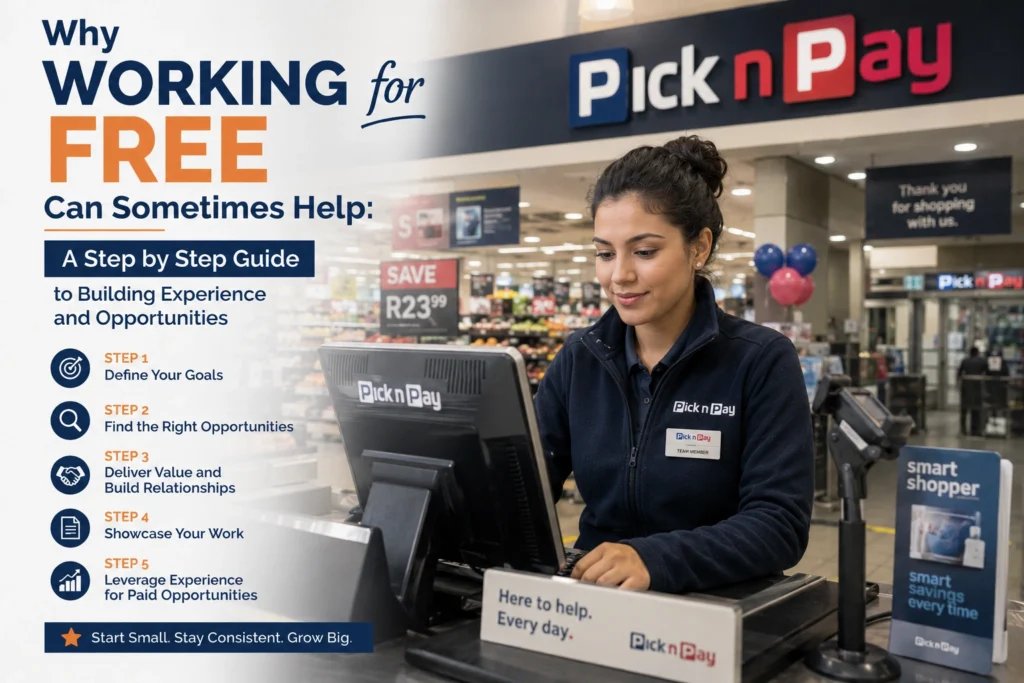
Use the following framework before accepting.
Step 1: Define Your Goal
Ask yourself:
- What am I hoping to gain?
- Will this improve my career prospects?
- Does this align with my long-term objectives?
If there is no clear benefit, the opportunity may not be worthwhile.
Step 2: Evaluate the Learning Potential
Consider whether the work will help you develop valuable skills.
Look for opportunities that offer:
- Practical responsibilities
- Industry exposure
- Meaningful projects
- New knowledge
Avoid situations where you are simply performing repetitive tasks without learning.
Step 3: Assess the Reputation of the Organization
Research the company, nonprofit, startup, or professional involved.
Look for:
- Positive reviews
- Professional credibility
- Ethical practices
- Relevant industry experience
A reputable organization can add significant value to your résumé.
Step 4: Calculate the Time Investment
Time is one of your most valuable resources.
Determine:
- How many hours are required?
- How long will the arrangement last?
- What opportunities will you miss by participating?
The expected return should justify the commitment.
Step 5: Identify Measurable Benefits
Before starting, clarify what you will receive.
Examples include:
- A recommendation letter
- Portfolio projects
- Training opportunities
- Professional references
- Networking introductions
- Public recognition
Having defined outcomes helps ensure the experience remains valuable.
ALSO READ ABOUT: How to Build a Career Instead of Just Finding a Job
Why Working for Free Can Sometimes Help More Than Paid Work
This may sound surprising, but there are situations where unpaid work creates greater long-term value than a low-paying position.
Consider two scenarios:
Option A: A low-paying job that offers little growth, limited learning, and no advancement opportunities.
Option B: A short-term unpaid project that develops sought-after skills, provides mentorship, and connects you with industry professionals.
While Option A provides immediate income, Option B may produce greater career advancement over time.
The goal is not to avoid paid work. Instead, it is to recognize that career growth often depends on strategic investments in skills, relationships, and experience.
Best Practices Experts Recommend
Professionals who study career development often emphasize the importance of being intentional when accepting unpaid opportunities.
Focus on High-Value Experiences
Choose opportunities that provide meaningful learning rather than routine administrative tasks.
Set Clear Boundaries
Define:
- Expected hours
- Responsibilities
- Duration
- Learning objectives
This prevents misunderstandings and protects your time.
Treat It Like Professional Work
Even when unpaid, approach the role seriously.
Be:
- Reliable
- Punctual
- Professional
- Accountable
Your reputation is often more valuable than short-term compensation.
Document Your Achievements
Keep records of:
- Projects completed
- Skills learned
- Results achieved
- Testimonials received
These become useful when updating your résumé or portfolio.
Regularly Review the Benefits
Periodically ask:
- Am I learning?
- Am I growing professionally?
- Is this moving me toward my goals?
If the answer becomes no, it may be time to move on.
Mistakes People Often Make
Accepting Unpaid Work Without a Purpose
One of the biggest mistakes is working for free simply because an opportunity exists.
Every commitment should support a specific career objective.
Staying Too Long
An unpaid role should usually be temporary.
If months pass without meaningful growth, networking, or advancement, the arrangement may no longer be beneficial.
Confusing Exposure With Opportunity
Many organizations promise “exposure.”
Exposure alone rarely pays bills or advances careers.
Ask what concrete benefits you will receive.
Failing to Set Expectations
Without clear agreements, responsibilities can expand beyond what was originally discussed.
Establish expectations from the beginning.
Neglecting Financial Reality
Career development matters, but so does financial stability.
Never accept unpaid work that creates serious financial hardship or prevents you from meeting essential obligations.
How to Make Unpaid Opportunities Work for You
To maximize benefits:
- Choose opportunities aligned with your goals.
- Focus on skill development.
- Build genuine professional relationships.
- Request feedback regularly.
- Track accomplishments.
- Collect testimonials and references.
- Update your résumé with new experience.
- Use the experience to pursue paid opportunities.
The most successful individuals often view unpaid work as a short-term investment rather than a permanent arrangement.
Frequently Asked Questions
Is working for free always a bad idea?
No. While everyone deserves fair compensation, some unpaid opportunities provide valuable experience, mentorship, networking, or portfolio development that can lead to future career advancement.
How long should I work for free?
There is no universal answer, but unpaid work should generally be temporary and focused on achieving specific learning or career goals. Regularly evaluate whether the benefits justify your time.
Can volunteering help me get a job?
Yes. Volunteer work can demonstrate initiative, commitment, leadership, teamwork, and practical experience. Many employers view relevant volunteer experience positively.
How do I know if I am being exploited?
Warning signs include excessive workloads, no learning opportunities, unclear expectations, promises without results, and organizations that rely heavily on unpaid labor while providing little value in return.
Final Thoughts
Understanding Why Working for Free Can Sometimes Help requires balancing short-term sacrifices against long-term opportunities. Unpaid work is not automatically good or bad. Its value depends entirely on what you gain from the experience.
When chosen carefully, unpaid opportunities can help you build skills, expand your network, strengthen your portfolio, and create pathways to better career prospects. They can be particularly useful for graduates, career changers, freelancers, and professionals seeking to enter competitive industries.
The most important rule is to be strategic. Never work for free without a clear purpose. Define your goals, measure the benefits, set boundaries, and continually assess whether the opportunity is moving you closer to the career you want.
Used wisely, unpaid work can become a stepping stone toward meaningful professional growth and future success.
ALSO APPLY FOR: Y Academy Internships 2026
ALSO APPLY FOR: Discovery Internships 2026
ALSO READ ABOUT: How to Build a Career Instead of Just Finding a Job