
For many Professional Cookery graduates, completing a qualification is only the first step toward building a successful culinary career. The bigger challenge often comes afterward—finding meaningful workplace experience that allows you to apply your skills in a real kitchen environment. Employers frequently look for candidates who not only understand cooking techniques but can also work under pressure, follow hygiene standards, provide customer service, and function effectively as part of a professional team.
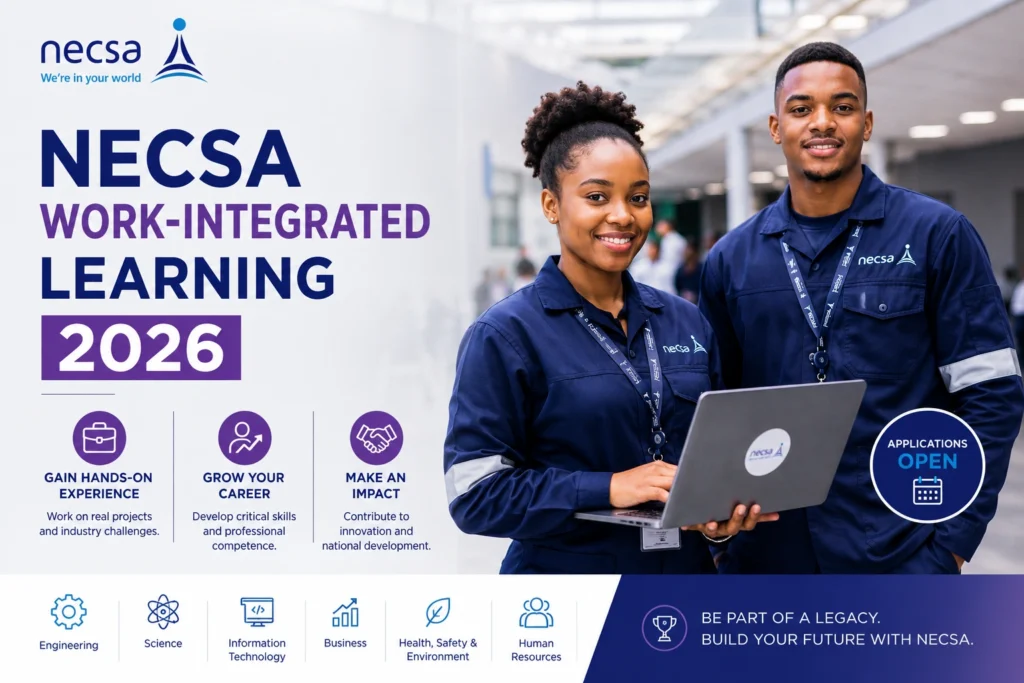
This is where the Necsa Work-Integrated Learning 2026 programme becomes valuable. Designed for candidates who have completed a National Certificate in Professional Cookery (NQF Level 4), the programme offers practical workplace exposure that can help bridge the gap between classroom learning and professional employment.
Running for 9 to 12 months in the North West province, this contract-based learning opportunity provides hands-on experience in food preparation, housekeeping, customer service, quality management, and workplace safety. For aspiring chefs and food service professionals, it represents an opportunity to gain industry-relevant experience while developing confidence in a real-world environment.
This guide explains everything you need to know about the programme, eligibility requirements, application process, key responsibilities, and strategies to improve your chances of success.
What Is the Necsa Work-Integrated Learning 2026 Programme?
The Necsa Work-Integrated Learning 2026 programme is a structured workplace learning initiative aimed at graduates and students who have completed a Professional Cookery qualification.
Unlike traditional classroom education, work-integrated learning combines theoretical knowledge with practical experience. Participants gain exposure to the daily operations of a professional food service environment while learning workplace expectations and industry standards.
The programme is specifically designed to help candidates:
- Develop practical culinary skills
- Understand food service operations
- Improve customer service abilities
- Learn workplace safety procedures
- Gain experience with quality management systems
- Build professional discipline and teamwork skills
For many graduates, this type of practical experience becomes an important stepping stone toward future employment opportunities within hospitality, catering, institutional food services, and commercial kitchens.
Programme Overview
Here are the main details of the opportunity:
| Programme Detail | Information |
|---|---|
| Programme Name | Work-Integrated Learning (WIL) – Culinary |
| Organisation | Necsa |
| Reference Number | NE-958 |
| Location | North West Province |
| Duration | 9–12 Months |
| Employment Type | Contract |
| Work Level | Student / Graduate |
| Salary | Market Related |
| Closing Date | 03 July 2026 |
Applicants should ensure they reference NE-958 when making enquiries or tracking their application.
Why This Issue Matters
One of the biggest obstacles facing culinary graduates is the lack of workplace experience.
Many students complete their qualifications with strong theoretical knowledge but limited exposure to real kitchen operations. Employers often expect candidates to understand:
- Kitchen workflow
- Food safety regulations
- Customer interaction
- Inventory management
- Time management
- Team coordination
Without practical exposure, graduates may struggle to compete in the job market.
The Necsa Work-Integrated Learning 2026 programme addresses this challenge by providing structured workplace experience where participants can practice their skills under professional supervision.
Beyond improving technical cooking abilities, the programme helps candidates develop workplace habits that employers value, including punctuality, communication, accountability, and professionalism.
In today’s competitive hospitality industry, these qualities can significantly improve employability and career prospects.
Who Should Apply?
This opportunity is ideal for individuals who:
- Have completed a National Certificate in Professional Cookery (NQF Level 4)
- Want practical kitchen experience
- Are interested in hospitality and food service careers
- Need workplace exposure to strengthen their CV
- Are willing to work in a structured professional environment
- Want to improve customer service and teamwork skills
Candidates who enjoy cooking, maintaining high hygiene standards, and working with people are particularly well suited for this programme.
Qualification Requirements
To qualify for the programme, applicants must possess:
National Certificate in Professional Cookery (NQF Level 4)
Applicants should ensure that copies of their qualifications and supporting documents are available before beginning the application process.
Incomplete applications may reduce the likelihood of being shortlisted.
Necsa Work-Integrated Learning 2026: Key Responsibilities
Participants accepted into the programme will gain experience across several operational areas.
Food Preparation Duties
One of the most important aspects of the programme involves food preparation and cooking.
Participants will:
- Prepare food according to menu requirements
- Assist with cooking activities
- Follow kitchen instructions and procedures
- Maintain food quality standards
- Report ingredient shortages promptly
This practical exposure allows learners to improve their culinary techniques while understanding how professional kitchens operate.
Housekeeping Responsibilities
Kitchen cleanliness is critical in any food service environment.
Participants will assist with:
- Cleaning crockery and utensils
- Maintaining dining areas
- Reporting equipment shortages
- Monitoring cleaning supplies
- Reporting breakages and damage
These tasks reinforce the importance of sanitation and workplace hygiene.
Quality Management Duties
The programme also introduces candidates to workplace systems and operational standards.
Participants may assist with:
- Maintaining quality management systems
- Reporting incidents and breakages
- Supporting workplace observations
- Following established procedures
Understanding quality systems can become a valuable advantage when applying for future positions.
Customer Service Functions
Modern culinary careers involve more than cooking.
Participants will be expected to:
- Serve customers professionally
- Communicate effectively
- Resolve minor customer concerns
- Demonstrate a positive attitude
- Maintain service standards
Strong customer service skills often distinguish successful hospitality professionals from average performers.
Essential Skills Necsa Is Looking For
The programme identifies several important knowledge and skill areas.
Applicants should demonstrate:
- Ability to read and write effectively
- Understanding of hygiene standards
- Knowledge of food safety procedures
- Awareness of sanitation practices
- Basic professional cooking knowledge
- Basic knife handling skills
Candidates who can clearly demonstrate these competencies on their CV may have a stronger application.
Personal Qualities That Improve Your Chances
Technical skills matter, but behavioural competencies are equally important.
Necsa seeks candidates who demonstrate:
Quality Orientation
Attention to detail is essential when preparing food and maintaining hygiene standards.
Time Management
Professional kitchens operate under strict timelines.
Candidates must show they can work efficiently and meet deadlines.
Customer Service Focus
Providing excellent service contributes to customer satisfaction and organisational reputation.
Teamwork
Kitchen operations depend on collaboration between staff members.
Resilience
Food service environments can become busy and stressful.
The ability to remain calm under pressure is highly valued.
Safety Awareness
Understanding and following safety procedures protects employees, customers, and the organisation.

Step-by-Step Guide to Applying Successfully
Step 1: Verify Your Eligibility
Before applying, confirm that you possess the required qualification:
- National Certificate in Professional Cookery (NQF Level 4)
If you do not meet this requirement, your application is unlikely to be considered.
Step 2: Update Your CV
Ensure your CV includes:
- Educational qualifications
- Practical training experience
- Food safety knowledge
- Customer service experience
- Volunteer work
- Relevant achievements
Focus on information that demonstrates your readiness for a professional kitchen environment.
Step 3: Gather Supporting Documents
Prepare:
- Certified qualification copies
- Identification document
- Updated CV
- Additional certificates if applicable
Having these documents ready can prevent delays during the application process.
Step 4: Highlight Relevant Skills
Emphasise skills such as:
- Food preparation
- Kitchen operations
- Hygiene practices
- Teamwork
- Customer service
- Time management
Tailoring your application to the programme requirements can strengthen your chances.
Step 5: Submit Through the Official Online Platform
Applications must be submitted online via the Necsa recruitment portal.
Remember:
- Do not hand-deliver applications
- Complete all required fields
- Upload supporting documents correctly
- Review information before submission
APPLY HERE: Necsa Work-Integrated Learning 2026
Step 6: Submit Early
Avoid waiting until the final day.
Early submission helps reduce risks associated with:
- Internet disruptions
- Missing documents
- System congestion
- Technical errors
ALSO APPLY FOR: Clicks Learnership 2026
Best Practices Experts Recommend
Candidates seeking culinary workplace opportunities can improve their success by following several proven strategies.
Tailor Your CV
Avoid generic applications.
Highlight cooking practicals, food preparation experience, hygiene knowledge, and customer service exposure.
Demonstrate Professionalism
Employers value reliability.
Use a professional email address, answer calls promptly, and communicate respectfully.
Emphasise Food Safety Knowledge
Food safety remains a top priority in every kitchen environment.
Show evidence of understanding hygiene and sanitation requirements.
Showcase Team Experience
Whether gained through training, volunteering, or previous work, teamwork experience can strengthen your application.
Research the Organisation
Understanding Necsa’s workplace environment demonstrates initiative and preparation.
Mistakes People Often Make
Many applicants unintentionally reduce their chances through avoidable errors.
Submitting Incomplete Applications
Missing documents or incomplete forms may result in disqualification.
Using Generic CVs
A one-size-fits-all CV often fails to highlight relevant culinary experience.
Ignoring Deadlines
Late applications are generally not considered.
Overlooking Customer Service Skills
Many candidates focus only on cooking abilities while neglecting customer interaction experience.
Failing to Proofread
Spelling mistakes and incorrect contact information can create a negative impression.
Hand Delivering Applications
Necsa clearly states that hand-delivered applications will be disqualified.
Always use the official online application method.
Frequently Asked Questions
1. Who can apply for the Necsa Work-Integrated Learning 2026 programme?
Applicants must possess a National Certificate in Professional Cookery (NQF Level 4) and meet the programme requirements.
2. How long does the programme run?
The programme duration is between 9 and 12 months.
3. Does participation guarantee permanent employment?
No. Necsa states that participation in the programme does not guarantee employment within the organisation after completion.
4. Is accommodation provided?
No. Applicants should note that accommodation will not be provided during the programme.
Important Dates and Contact Information
Application Closing Date
03 July 2026
Candidates should submit applications well before the deadline to avoid complications.
Enquiries
Applicants may contact:
Ms Emelda Yende
- Tel: 012 305 3328
- Tel: 012 305 3304
These contact numbers should be used for programme-related enquiries.
Final Thoughts
The Necsa Work-Integrated Learning 2026 programme offers a valuable opportunity for Professional Cookery graduates who want to gain practical workplace experience in a structured food service environment. By providing exposure to food preparation, customer service, hygiene management, quality systems, and workplace safety, the programme helps participants develop the skills employers increasingly demand.
For many aspiring culinary professionals, workplace experience is the missing link between qualification and employment. This programme can help bridge that gap by allowing candidates to apply their training in a real-world setting while building confidence, discipline, and professional competence.
If you meet the qualification requirements, start preparing your application immediately. Update your CV, gather supporting documents, emphasise your food safety and customer service skills, and submit your application well before the 03 July 2026 deadline. Taking these practical steps can significantly improve your chances of securing a place in this valuable learning opportunity.