
The job market is changing faster than many people expected. Traditional career paths that once seemed secure are becoming more competitive, while new forms of work are emerging online every day. Many young people, graduates, freelancers, and even experienced professionals are asking the same question: where will the next generation of jobs come from?
At the same time, social media platforms, digital marketplaces, video-sharing websites, podcasts, newsletters, and online communities are creating entirely new ways for people to earn a living. What started as a handful of influencers posting content online has evolved into a global economic movement that supports millions of workers.
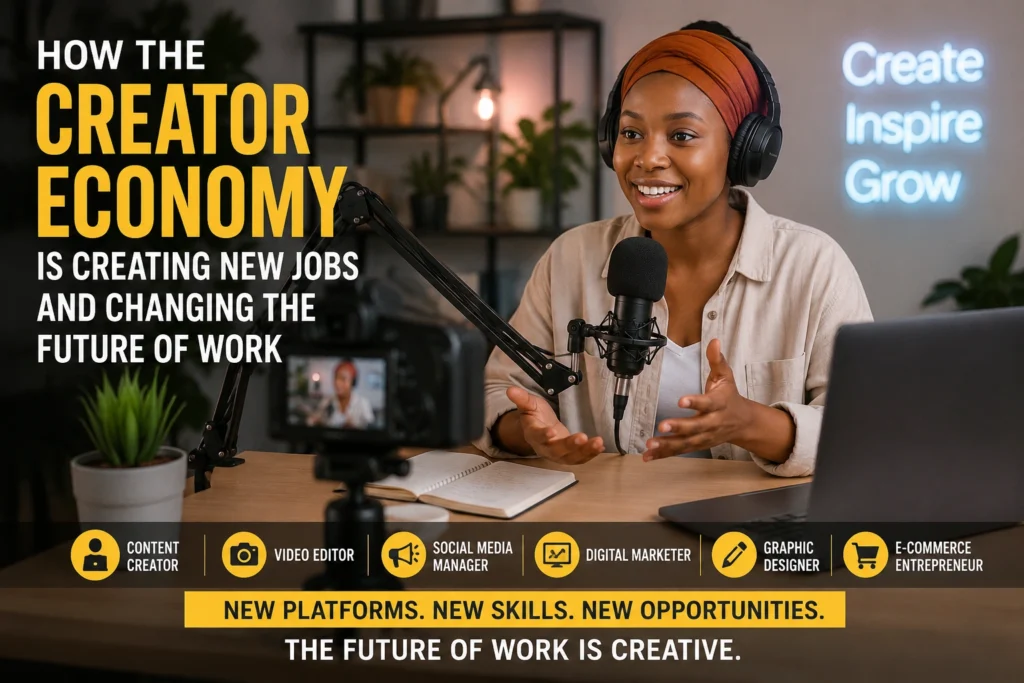
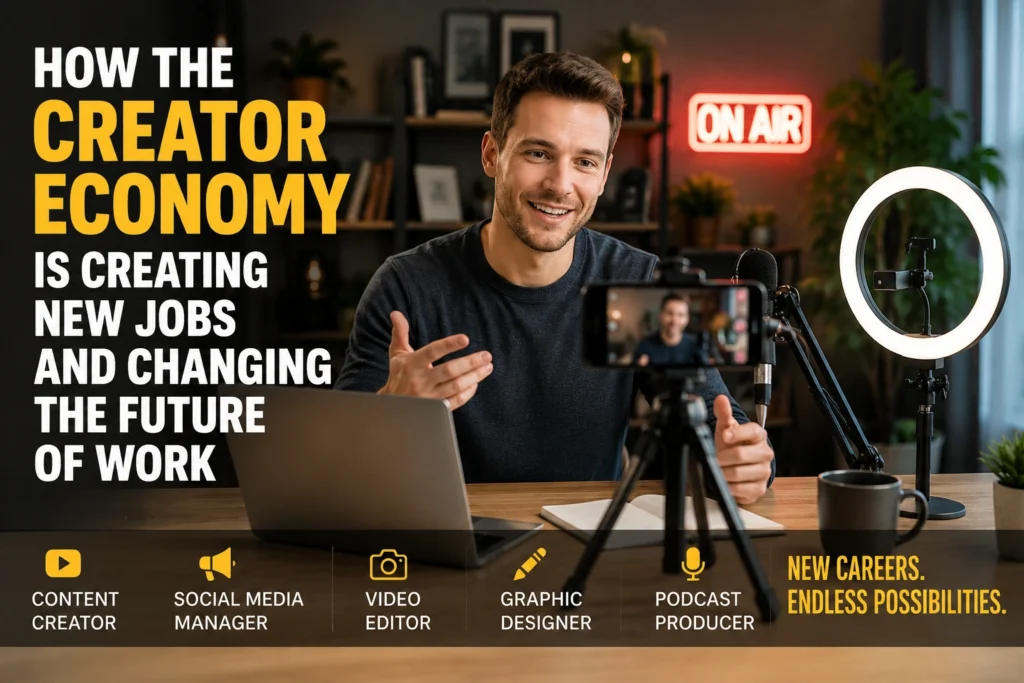
Understanding How the Creator Economy Is Creating New Jobs is becoming increasingly important for anyone looking to build a career, generate additional income, or future-proof their skills. The creator economy is no longer just about becoming a famous YouTuber or social media influencer. It has created demand for editors, designers, marketers, virtual assistants, community managers, researchers, video producers, and countless other professionals.
This practical guide explains what the creator economy is, why it matters, the jobs it is creating, and how people can position themselves to benefit from this growing sector.
What Is the Creator Economy?
The creator economy refers to the ecosystem of individuals and businesses that earn income by creating and distributing digital content, products, services, or communities online.
Creators use platforms such as YouTube, TikTok, Instagram, LinkedIn, Substack, podcasts, online course platforms, and membership communities to build audiences and generate revenue.
However, the creator economy extends far beyond content creators themselves. As creators grow their businesses, they often hire teams to support their operations.
Examples include:
- Video editors
- Graphic designers
- Content writers
- Social media managers
- Virtual assistants
- SEO specialists
- Community managers
- Podcast producers
- Website developers
- Data analysts
- Brand partnership managers
This expansion is one of the main reasons How the Creator Economy Is Creating New Jobs has become an important topic in discussions about the future of employment.
ALSO APPLY FOR: PEP Internship 2026
ALSO APPLY FOR: Eskom YES Internships 2026
Why This Issue Matters
The creator economy is not simply an internet trend. It is influencing how people work, learn, and earn income across the world.
Several factors make this shift significant:
More Flexible Work Opportunities
Many creator economy jobs can be performed remotely. This creates opportunities for people who may not live near major business hubs.
Lower Barriers to Entry
Unlike some traditional professions that require years of formal education, many creator economy roles can be learned through online courses, practical experience, and portfolio building.
New Opportunities for Young People
Youth unemployment remains a challenge in many countries. The creator economy provides alternative pathways into work by allowing individuals to develop skills that businesses increasingly need.
Growth of Digital Skills
Skills developed in the creator economy often transfer into broader industries. Content marketing, video production, audience growth, analytics, and online communication are valuable across multiple sectors.
Multiple Income Streams
Many workers now combine freelance projects, creator-related work, consulting, and traditional employment to create more financial stability.
For these reasons, understanding How the Creator Economy Is Creating New Jobs is becoming increasingly relevant for students, job seekers, entrepreneurs, and employers alike.
How the Creator Economy Is Creating New Jobs
1. Content Creation Roles
The most visible jobs involve creating content itself.
These include:
- Video creators
- Podcasters
- Bloggers
- Newsletter writers
- Livestream hosts
- Educators and online instructors
As audiences grow, creators often transform personal brands into full-scale businesses.
2. Video Editing and Production
Video remains one of the fastest-growing forms of online content.
Creators frequently outsource:
- Editing
- Motion graphics
- Audio cleanup
- Thumbnail design
- Video optimization
A skilled video editor can work with multiple creators simultaneously and build a sustainable freelance business.
3. Social Media Management
Many creators struggle to manage multiple platforms consistently.
This has created demand for professionals who can:
- Schedule content
- Respond to comments
- Track performance metrics
- Manage audience engagement
- Develop content calendars
Social media management has become a career path in its own right.
4. Graphic Design and Branding
Visual identity plays a major role in audience growth.
Creators need:
- Logos
- Brand kits
- Social media graphics
- Presentation designs
- Digital products
Designers who understand online audiences are increasingly valuable.
5. Community Management
Large creators often build online communities through Discord, Facebook Groups, membership platforms, and forums.
Community managers help:
- Moderate discussions
- Answer questions
- Organize events
- Maintain engagement
- Support members
This role barely existed a decade ago but is becoming increasingly common.
6. Creator Business Operations
Successful creators often operate like small companies.
This creates opportunities in:
- Project management
- Administration
- Bookkeeping
- Customer support
- Partnership coordination
Virtual assistants and operations specialists are particularly in demand.
7. Online Education and Coaching
Knowledge creators generate income through:
- Online courses
- Coaching
- Mentorship programs
- Workshops
- Digital training
As a result, instructional designers, curriculum developers, and learning specialists are finding new opportunities.
8. Creator-Focused Technology Jobs
The creator economy has also created employment within technology companies serving creators.
Examples include:
- Platform developers
- Product managers
- Customer success specialists
- Marketing teams
- Partnership managers
As creator-focused software expands, demand for these roles continues growing.
ALSO READ ABOUT: Casual Work vs Part-Time Employment
Step-by-Step: How to Benefit From Creator Economy Opportunities
Many people assume they must become influencers to participate in the creator economy. In reality, supporting creators can be just as rewarding.
Step 1: Identify Your Existing Skills
Start by listing skills you already possess.
Examples:
- Writing
- Design
- Photography
- Administration
- Research
- Customer service
- Marketing
- Data analysis
Many traditional skills can be adapted to creator-focused work.
Step 2: Choose a High-Demand Area
Focus on skills creators frequently outsource.
Examples include:
- Video editing
- Graphic design
- Copywriting
- SEO
- Social media management
- Virtual assistance
Specialization often leads to better opportunities than trying to do everything.
Step 3: Learn Industry Tools
Become comfortable using relevant software.
Examples:
- Canva
- Adobe Creative Suite
- CapCut
- Final Cut Pro
- Google Analytics
- Notion
- WordPress
Many free tutorials and affordable courses are available online.
Step 4: Build a Portfolio
Employers and creators want evidence of your skills.
Create:
- Sample projects
- Mock campaigns
- Practice videos
- Design examples
- Writing samples
A strong portfolio often matters more than formal qualifications.
Step 5: Start Small
Offer services to:
- Local businesses
- Community organizations
- New creators
- Non-profit projects
Real-world experience builds confidence and credibility.
Step 6: Network Within Creator Communities
Many creator economy jobs are filled through recommendations.
Join:
- Online communities
- LinkedIn groups
- Creator forums
- Industry events
Networking can uncover opportunities before they are publicly advertised.
Step 7: Continue Learning
Platforms and trends evolve constantly.
Successful professionals regularly update their knowledge in:
- AI tools
- Content strategy
- Platform algorithms
- Audience growth techniques
- Digital marketing
Continuous learning remains essential.
Emerging Jobs in the Creator Economy
Several newer roles are experiencing rapid growth.
These include:
AI Content Specialist
Professionals who help creators use artificial intelligence tools effectively while maintaining authenticity.
Newsletter Growth Manager
Experts who grow subscriber lists and improve email engagement.
Creator Partnerships Coordinator
Individuals who connect brands and creators for sponsorship campaigns.
Audience Research Specialist
Professionals who analyze audience behavior and provide strategic recommendations.
Digital Product Manager
Experts who help creators launch and manage courses, templates, memberships, and downloadable products.
These roles illustrate how How the Creator Economy Is Creating New Jobs continues evolving beyond traditional content creation.
Best Practices Experts Recommend
Focus on Transferable Skills
Skills such as communication, problem-solving, project management, and creativity remain valuable regardless of platform changes.
Build a Personal Brand
You do not need millions of followers.
A professional online presence helps demonstrate expertise and credibility.
Prioritize Consistency
Whether creating content or providing services, consistent delivery builds trust and long-term opportunities.
Learn Business Fundamentals
Understanding pricing, contracts, negotiation, and client management can significantly improve career outcomes.
Diversify Income Sources
Relying on a single client or platform can be risky.
Many successful professionals combine freelance work, consulting, digital products, and employment.
Stay Adaptable
The creator economy changes rapidly. Flexibility often becomes a competitive advantage.
Mistakes People Often Make
Assuming Success Happens Overnight
Many people see successful creators but underestimate the years of effort behind their growth.
Building a career takes time and persistence.
Chasing Every Trend
Not every new platform or tool deserves attention.
Focus on developing durable skills rather than constantly switching directions.
Ignoring Business Skills
Creative talent alone is rarely enough.
Understanding client relationships, finances, and marketing is equally important.
Failing to Build a Portfolio
Waiting until you get hired before creating examples can slow progress.
Build evidence of your abilities early.
Depending on One Platform
Algorithms and platform policies can change unexpectedly.
Diversification helps reduce risk.
Undervaluing Your Work
Many beginners charge too little because they lack confidence.
Research market rates and price services appropriately.
Frequently Asked Questions
1. Do I need to be an influencer to benefit from the creator economy?
No. Many creator economy jobs involve supporting creators through editing, design, marketing, administration, writing, or technical services
2. What skills are most in demand?
Video editing, graphic design, social media management, SEO, content writing, community management, and virtual assistance remain among the most sought-after skills.
3. Can beginners enter the creator economy?
Yes. Many people start with basic skills, build portfolios, gain experience through small projects, and gradually expand their opportunities.
4. Is the creator economy a long-term opportunity?
While specific platforms may change, demand for digital content, online communities, and audience engagement continues to grow. The underlying opportunities are likely to remain significant for years to come.
Final Thoughts: Preparing for the Future of Work
The conversation about How the Creator Economy Is Creating New Jobs is really a conversation about how work itself is changing. The creator economy has expanded far beyond influencers and content creators. It now supports a wide range of professionals whose skills help digital businesses grow and serve audiences.
For job seekers, students, freelancers, and professionals looking to adapt, the biggest opportunity lies in developing practical digital skills that creators and online businesses need every day. Video editing, writing, design, marketing, analytics, community management, and operational support are all areas with growing demand.
The most effective approach is to start small, build real experience, create a portfolio, and continue learning as technology evolves. Those who focus on developing valuable skills rather than chasing quick success are often the ones who benefit most from this rapidly expanding sector.
ALSO APPLY FOR: PEP Internship 2026
ALSO APPLY FOR: Eskom YES Internships 2026
ALSO READ ABOUT: Casual Work vs Part-Time Employment