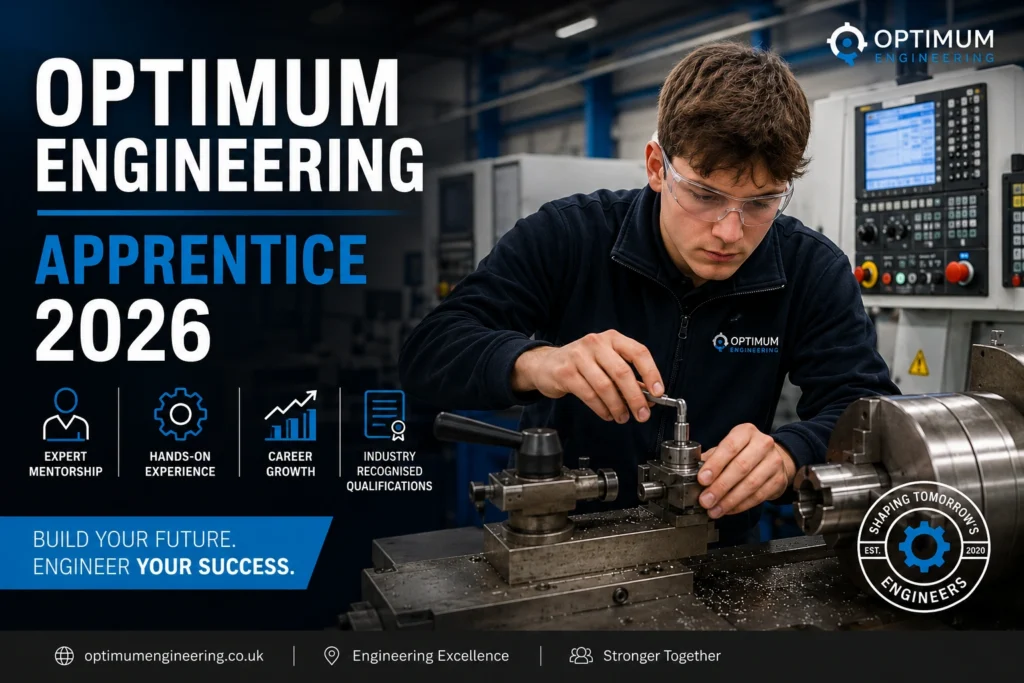

The Optimum Engineering apprentice 2026 programme is gaining significant attention as more young South Africans search for practical pathways into technical careers. At a time when unemployment remains one of the country’s biggest challenges, apprenticeship opportunities linked to recognised engineering trades continue to stand out as valuable stepping stones into long-term employment.
Rather than simply offering classroom-based learning, the programme combines structured workplace experience with technical development, allowing participants to build practical skills while working alongside experienced professionals. That combination is one reason opportunities like this are consistently shared across career platforms and social media.
The latest announcement from Optimum Engineering Training has once again placed engineering apprenticeships in the spotlight, particularly for applicants living in Gauteng who meet the required academic qualifications. Although acceptance into any apprenticeship is competitive, programmes of this nature continue to generate optimism because they create a direct bridge between education and industry.
For many aspiring artisans, the Optimum Engineering apprentice 2026 intake represents more than another application window—it reflects the growing importance of skilled technical professionals within South Africa’s manufacturing and industrial sectors.
Understanding the Opportunity
Engineering apprenticeships have long been regarded as one of the most effective ways to develop qualified artisans. Unlike traditional academic programmes, apprentices spend much of their learning journey in real workplaces where they gain practical exposure to machinery, maintenance systems, production processes and engineering operations.
Optimum Engineering Training has announced that it is building a database of suitable candidates who may be matched with employers for potential apprenticeship placements expected to commence in August 2026.
The initiative focuses on several high-demand engineering trades that continue to play critical roles across manufacturing, food production and beverage processing industries.
Available apprenticeship disciplines include:
- Fitter
- Fitter and Turner
- Electrician
- Welder
- Millwright
Each trade requires specialised technical knowledge, precision and hands-on experience, making apprenticeships an ideal model for developing future artisans.
Instead of learning solely through textbooks, participants gradually build competence under supervision while working toward recognised trade qualifications.
Why Engineering Apprenticeships Continue to Matter
South Africa’s engineering sector depends heavily on skilled artisans who maintain production equipment, repair machinery and ensure industrial operations continue running efficiently.
As experienced tradespeople retire and industries modernise, employers increasingly require younger technicians with updated technical knowledge and practical workplace experience.
This makes apprenticeship programmes particularly valuable because they help address two important needs simultaneously:
First, they provide unemployed young people with structured career opportunities.
Second, they support employers by developing future technical talent aligned with industry standards.
The demand for electricians, millwrights, welders and fitters extends well beyond manufacturing alone. Mining, logistics, food processing, construction, energy infrastructure and maintenance services all rely on these technical professions.
Eligibility Requirements
According to the programme announcement, applicants must satisfy several selection requirements before being considered.
These include:
- N1 qualification with Mathematics, Engineering Drawing, Science and Trade Theory or
- Matric with Core Mathematics and Physical Science
- South African citizenship
- Residence within Gauteng Province
Meeting the minimum requirements does not guarantee placement. Instead, eligible candidates become part of a database from which employers may select suitable apprentices based on business requirements and available positions.
This approach is increasingly common because employers often seek candidates whose academic background, location and career interests closely match operational needs.
How Apprenticeships Create Career Pathways
One of the strongest advantages of engineering apprenticeships lies in their practical structure.
Participants do not simply observe experienced workers—they actively contribute while learning.
Throughout the apprenticeship, learners gradually develop competencies in areas such as:
- Equipment maintenance
- Mechanical assembly
- Electrical installation
- Fault diagnosis
- Welding techniques
- Industrial safety
- Preventative maintenance
- Engineering problem-solving
As experience grows, apprentices typically take on increasing responsibility until they demonstrate the competencies required within their trade.
Many successful apprentices eventually qualify as artisans, opening opportunities across multiple industries.
Recent Developments Fueling Interest
The renewed attention surrounding the Optimum Engineering apprentice 2026 programme reflects broader trends within South Africa’s employment landscape.
Over the past few years, technical and vocational training has received increasing attention as policymakers, employers and education providers seek practical solutions to youth unemployment.
Manufacturing businesses continue investing in artisan development because skilled maintenance personnel remain essential for production efficiency.
Food and beverage manufacturers, specifically mentioned within the apprenticeship announcement, depend heavily on reliable engineering teams responsible for maintaining automated production lines, packaging equipment and processing machinery.
This industry demand helps explain why apprenticeship announcements often receive widespread engagement online.
Applicants increasingly recognise that technical careers offer stable long-term prospects compared with many entry-level occupations that provide limited opportunities for progression.
Public Reaction
Career announcements involving apprenticeships frequently generate positive discussion across employment communities.
Many young job seekers view artisan development programmes as realistic alternatives to traditional university pathways, particularly when financial barriers make higher education difficult.
Parents and educators also tend to support apprenticeship opportunities because they combine structured learning with workplace exposure, allowing learners to gain experience while progressing toward recognised qualifications.
Industry professionals often encourage applicants to pursue trades such as electrical engineering, fitting, welding and millwright work because these occupations continue to experience steady demand across numerous economic sectors.
At the same time, experienced artisans regularly remind applicants that apprenticeships require dedication, discipline and patience.
Unlike short training courses, apprenticeships involve sustained practical learning over an extended period before reaching full professional competence.
The Growing Value of Technical Skills
Automation continues transforming manufacturing worldwide.
Ironically, increased automation has not reduced demand for skilled artisans—in many cases, it has increased it.
Modern production systems require technicians capable of installing, maintaining and troubleshooting increasingly sophisticated equipment.
Electricians must understand advanced control systems.
Millwrights combine mechanical and electrical expertise.
Fitters work with precision engineering components.
Welders contribute to infrastructure, fabrication and equipment maintenance.
These evolving responsibilities mean technical careers increasingly involve both practical craftsmanship and technological knowledge.
Programmes like the Optimum Engineering apprenticeship therefore align with broader industry developments rather than serving only immediate recruitment needs.
Why This Matters Right Now
South Africa’s labour market continues facing significant challenges, particularly among young people entering the workforce for the first time.
Against this backdrop, apprenticeship programmes represent more than isolated training opportunities—they demonstrate how practical skills development can create sustainable career pathways.
The Optimum Engineering apprentice 2026 programme is especially relevant because it targets sectors that remain fundamental to economic activity.
Manufacturing facilities cannot operate efficiently without qualified artisans.
Production lines depend on maintenance professionals.
Industrial equipment requires continuous servicing.
Electrical systems demand skilled technicians.
As industries continue modernising, investment in artisan development becomes increasingly important for both employers and employees.
For applicants, this apprenticeship offers the possibility of gaining recognised workplace experience that may strengthen future employability.
For employers, it contributes to building the next generation of technical specialists capable of supporting long-term operational success.
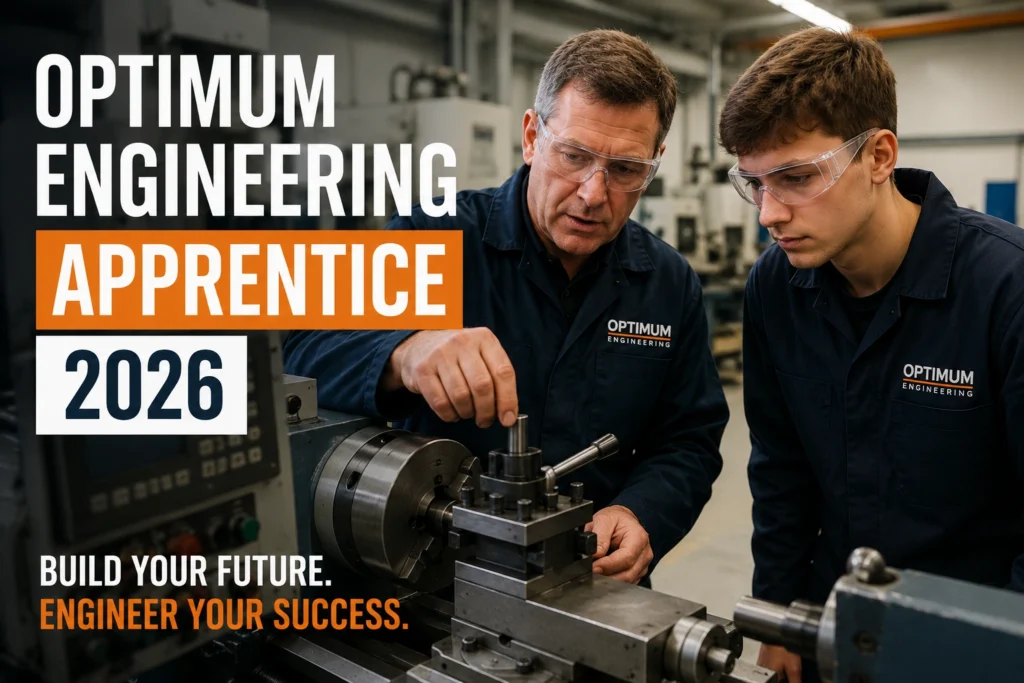
ALSO VISIT: https://optimumlearn.com
Preparing a Strong Application
Competition for engineering apprenticeships is typically high.
Applicants who meet the academic requirements should ensure that all supporting documentation is accurate, complete and professionally presented.
Preparation may include:
- Updating a professional curriculum vitae
- Verifying academic certificates
- Confirming contact information
- Preparing certified copies of required documents
- Monitoring communication channels for employer responses
Attention to detail often reflects positively during early selection stages.
Applicants should also familiarise themselves with the responsibilities associated with their preferred engineering trade before interviews or assessments.
Demonstrating genuine interest in technical work can strengthen an application beyond minimum qualification requirements.
Send your application
Email your application documents to:
Email:sales@optimumlearn.com
Double-check attachments before clicking Send
ALSO APPLY FOR: (PDPS) and Sasol Welding Apprentice 2026
Opportunities Beyond the Apprenticeship
Completing an apprenticeship often creates opportunities extending well beyond the initial training period.
Qualified artisans may pursue careers in:
- Manufacturing
- Mining
- Food production
- Beverage manufacturing
- Renewable energy
- Construction
- Maintenance contracting
- Heavy industry
- Technical supervision
Some eventually establish independent engineering businesses or continue studying toward higher technical qualifications.
Others specialise further within industrial automation, maintenance planning or engineering management.
The apprenticeship therefore represents the beginning of a professional journey rather than its conclusion.
What Could Happen Next
Several possible developments may follow the current recruitment process.
If sufficient numbers of qualified candidates apply, employers partnering with Optimum Engineering Training will likely begin evaluating applicants against operational requirements before selecting apprenticeship placements.
Successful candidates may proceed through interviews, assessments or additional screening processes depending on employer preferences.
As South Africa continues prioritising technical skills development, similar apprenticeship initiatives may also emerge across additional provinces and industrial sectors.
Growing investment in manufacturing modernisation could further increase demand for qualified artisans over the coming years.
For prospective applicants, remaining attentive to recruitment updates and ensuring application documents remain current may improve readiness should opportunities become available.
Even candidates who are not immediately placed could potentially benefit from future employer requirements if they remain within the available talent database.
Final Thoughts
The Optimum Engineering apprentice 2026 programme highlights the continuing importance of practical engineering education in South Africa’s evolving economy.
While competition is expected to be strong, the opportunity reflects a broader commitment to developing technical skills that remain essential across manufacturing and industrial sectors.
For young people with an interest in engineering trades, apprenticeships continue to offer one of the clearest pathways toward recognised qualifications, valuable workplace experience and long-term career development.
As employers increasingly seek technically skilled professionals capable of supporting modern industrial operations, programmes such as this demonstrate how industry partnerships can help prepare the next generation of artisans.
For eligible Gauteng applicants, the current intake represents an opportunity worth considering—not only because of the immediate training prospects but because of the long-term career potential that skilled engineering professions continue to offer.