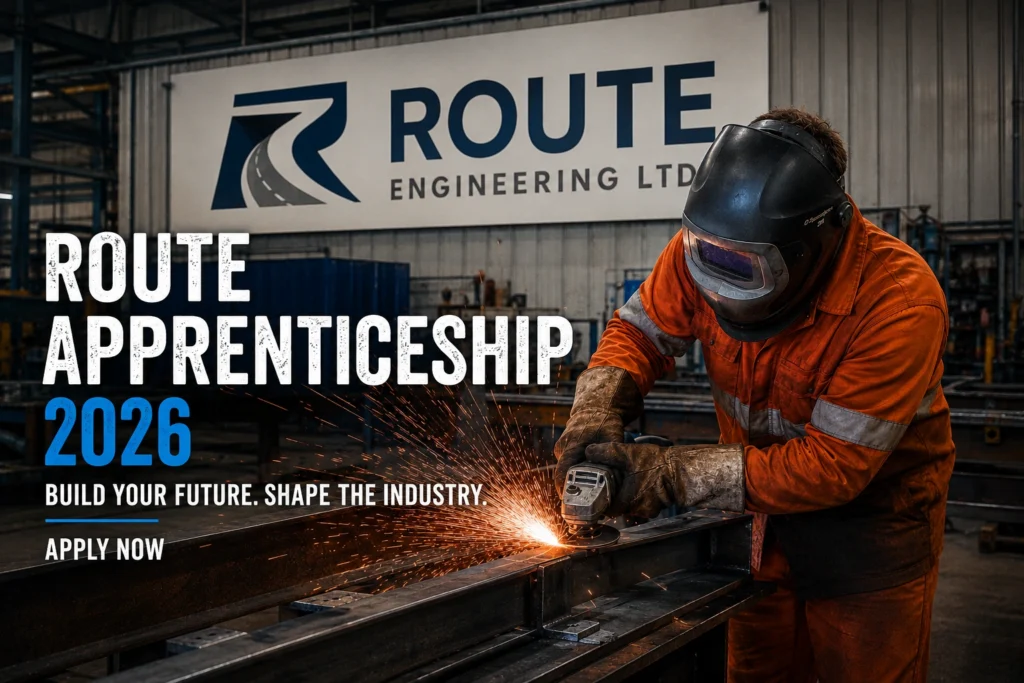

The search for stable careers in South Africa has become more intense than ever, especially among young people trying to break into industries that still offer long-term growth. That is one reason the ROUTE Apprenticeship 2026 is attracting so much attention right now.
At a time when many graduates are struggling to secure employment, apprenticeship programmes linked to real industrial production are increasingly viewed as one of the smartest alternatives to traditional academic routes. The SA Truck Bodies apprenticeship, operated under the Route Management Group and connected to the Henred Fruehauf network, stands out because it combines paid training, practical technical experience, and a recognised trade qualification inside one of Africa’s biggest transport manufacturing operations.
For school leavers who enjoy working with machinery, engineering systems, fabrication, or electrical equipment, this opportunity represents more than workplace training. It reflects a broader shift happening in South Africa’s economy: skilled artisans are becoming essential again.
And that shift is changing how young people think about their future.
Why the ROUTE Apprenticeship 2026 Is Getting So Much Attention
For years, many South African students were encouraged to pursue university degrees as the default route to success. But rising tuition costs, graduate unemployment, and a growing shortage of technical artisans have changed the conversation.
Manufacturing companies, logistics operators, mining firms, and infrastructure businesses are now urgently looking for qualified artisans who can maintain, repair, build, and operate complex industrial systems.
That demand is exactly where the ROUTE Apprenticeship 2026 fits in.
SA Truck Bodies is not a small workshop operation. The company forms part of a major transport manufacturing network with roughly 3,000 employees and operations spread across South Africa and other African regions. Its branches in Bloemfontein, Johannesburg, and Cape Town place it at the centre of the country’s freight and trailer manufacturing industry.
The apprenticeship programme gives young applicants a chance to enter that ecosystem directly.
Instead of sitting in classrooms for years without guaranteed employment, apprentices begin learning inside active industrial environments from day one. They earn while they train. They gain workplace exposure while building technical qualifications that remain valuable across industries.
That combination is becoming increasingly attractive in 2026.
The Bigger Story Behind South Africa’s Skills Push
The renewed interest in artisan careers did not happen overnight.
South Africa has faced a long-standing technical skills shortage in sectors like manufacturing, logistics, automotive repair, electrical systems, and industrial maintenance. Industry bodies have repeatedly warned that ageing artisans are retiring faster than new workers are entering the field.
At the same time, freight movement across the country continues to expand. Trucks, trailers, logistics fleets, and transport infrastructure remain critical to the economy.
This creates a direct need for:
- Diesel mechanics
- Millwrights
- Vehicle body builders
- Electricians
- Fitter and turners
These are not disappearing jobs. In many cases, they are becoming even more valuable as transport systems become more technologically advanced.
That is part of the reason apprenticeship opportunities linked to established manufacturers are now drawing strong public interest online.
The ROUTE programme arrives at a moment when many young South Africans are actively searching for practical career paths that lead to real employment instead of uncertainty.
The Trades Available Through the ROUTE Apprenticeship 2026
One of the most appealing aspects of the programme is the variety of specialist trades available.
Each trade supports a different part of the transport manufacturing and maintenance ecosystem.
Vehicle Body Builder
This trade focuses on constructing trailers and heavy transport bodies from engineering designs and technical plans.
Apprentices learn how frameworks are assembled, welded, bolted, reinforced, and integrated into chassis systems. It combines fabrication, precision measurement, structural understanding, and practical engineering.
For learners who enjoy building physical products and seeing visible results from their work, this trade can be deeply rewarding.
Diesel Mechanic
Diesel mechanics remain among the most sought-after technical workers in transport and logistics.
The role involves diagnosing and repairing diesel engines used in trucks, forklifts, and industrial equipment. Because freight transport depends heavily on diesel-powered systems, experienced mechanics often enjoy strong long-term employability.
As South Africa’s logistics industry continues evolving, qualified diesel technicians are expected to remain in high demand.
Fitter & Turner
This trade sits at the heart of industrial manufacturing.
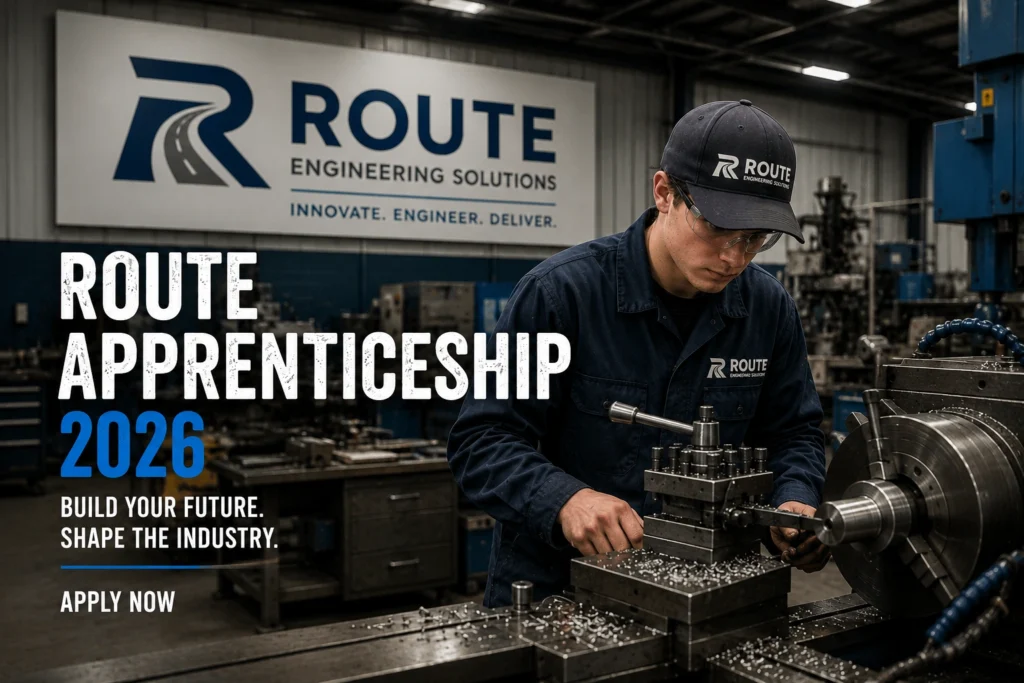
Fitters and turners manufacture machine components using specialised tools such as lathes, milling machines, and drilling systems. They also assemble and maintain machinery parts used throughout manufacturing operations.
It is a highly technical trade that rewards precision and mechanical understanding.
Electrician
Modern manufacturing environments depend on complex electrical systems and automated controls.
Electrical apprentices learn how to install, maintain, troubleshoot, and repair industrial electrical infrastructure. With automation becoming increasingly important in manufacturing, electrical skills are growing more valuable every year.
Millwright
Millwrights are often described as multi-skilled industrial specialists because the trade combines mechanical and electrical expertise.
These artisans install, dismantle, maintain, and relocate industrial machinery while handling both the mechanical and electrical sides of operations.
Because of this dual-skill structure, millwrights are often considered among the most versatile artisans in manufacturing.
Why This Matters Right Now
The timing of the ROUTE Apprenticeship 2026 matters for several reasons.
First, youth unemployment remains one of South Africa’s biggest economic challenges. Many school leavers feel trapped between expensive tertiary education and a difficult job market.
Secondly, industries are increasingly prioritising practical skills over theoretical qualifications alone. Employers want workers who can operate equipment, solve technical problems, and function inside real industrial environments.
Thirdly, infrastructure and transport remain central to economic recovery efforts across the region. Manufacturing, logistics, and freight transport continue to require qualified technical workers even during uncertain economic periods.
That makes apprenticeship pathways especially relevant right now.
Unlike short online courses or informal training programmes, structured apprenticeships provide:
- Workplace experience
- Industry mentorship
- Formal qualifications
- Income during training
- Exposure to real production environments
For many applicants, that combination creates a stronger sense of security than purely academic study.
The Requirements Reflect Industry Expectations
The entry requirements for the programme are relatively straightforward, but they also reveal what employers value most in technical careers.
Applicants need:
- Grade 12 (Matric) with English and Afrikaans, or
- Grade 12 or N2 with Mathematics and Physical Science
- A valid Code 8 driver’s licence
- Communication ability in English or Afrikaans
The emphasis on Mathematics and Physical Science is important.
Technical trades increasingly involve diagnostics, measurements, calculations, engineering interpretation, and equipment systems. Companies are looking for applicants who can handle both practical work and technical reasoning.
The driver’s licence requirement also reflects the realities of industrial work environments where mobility, site access, and equipment movement may form part of daily operations.
Public Reaction Shows Growing Interest in Skilled Trades
Across social media and online career forums, reactions to artisan apprenticeship opportunities have shifted noticeably over the past few years.
There was once a perception that technical trades were secondary options compared to university pathways. That mindset is changing rapidly.
Young people are increasingly recognising that artisans often secure employment faster than graduates in oversaturated fields.
Parents are also becoming more supportive of technical career routes, especially when programmes offer:
- Salaries during training
- National qualifications
- Stable long-term industries
- Career mobility
The SA Truck Bodies programme checks many of those boxes.
There is also growing awareness that artisan careers can eventually lead to entrepreneurship. Many qualified artisans later move into contracting, specialist repairs, fabrication businesses, consulting, or workshop ownership.
That long-term potential makes apprenticeships more appealing than they were a decade ago.
Why Manufacturing Careers Are Becoming Relevant Again
Another reason the ROUTE Apprenticeship 2026 is gaining traction is because manufacturing itself is attracting renewed attention.
Globally, countries are reassessing the importance of industrial production, supply chains, transport systems, and infrastructure resilience.
South Africa’s transport manufacturing sector remains strategically important because it supports:
- Freight movement
- Mining logistics
- Agricultural transport
- Retail supply chains
- Regional trade networks
Trailer manufacturing and heavy vehicle maintenance are essential components of that system.
This means artisan training inside transport manufacturing companies is tied to industries that are unlikely to disappear anytime soon.
In fact, technical maintenance and fabrication skills may become even more important as fleets modernise and industrial systems become more advanced.
How to Apply for the 2026 Intake
Follow this step-by-step guide to submit a complete and competitive application:
Step 1: Go to the Official Portal
All applications must be submitted online
APPLY HERE: ROUTE Apprenticeship 2026
Step 2: Prepare Your Documents
Before you start filling in the form, you will need:
- Your updated CV.
- Your certified ID copy.
- Your Matric certificate or N2 results.
- A copy of your driver’s license.
- Contactable references (names, phone numbers, email addresses).
Step 3: Complete the Online Application
Once you are on the page, you will need to fill in the following sections:
- Education: Your school and tertiary training (if applicable).
- Work History: Any previous employers (if applicable).
- Contactable References: You will need to provide their contact details
ALSO APPLY FOR: KONE Elevator Mechanic Apprenticeship 2026
Applying Early Could Make a Major Difference
One detail that stands out about the programme is the absence of a publicly listed closing date.
That has already sparked discussion among applicants because highly competitive apprenticeships often close once enough suitable candidates have been identified.
This creates pressure for interested applicants to move quickly.
A strong application matters.
Candidates who present well-organised documents, polished CVs, clear Mathematics and Science results, and professional references may have a better chance of standing out early in the process.
The application process itself is fully online through the official SA Truck Bodies apprenticeship portal, reflecting how recruitment systems are becoming increasingly digitised.
What Could Happen Next
The broader implications of programmes like the ROUTE Apprenticeship 2026 could extend far beyond one intake cycle.
If apprenticeship pathways continue attracting strong applicant interest, more companies may expand artisan development programmes in response to industry shortages.
That could eventually lead to:
- Increased investment in technical training
- Greater collaboration between industry and education providers
- Improved artisan employment pipelines
- Stronger manufacturing workforce development
There is also potential for apprenticeship systems to evolve alongside new technologies.
Future artisans may increasingly work with:
- Automated production systems
- Advanced diagnostics
- Smart manufacturing tools
- Electrified vehicle systems
- Industrial data monitoring
This means apprentices entering the field today could eventually operate in far more technologically advanced environments than previous generations.
At the same time, competition for quality apprenticeship placements may intensify.
Programmes linked to established employers with national operations are likely to remain highly sought after because they provide stronger employment credibility and industry exposure.
The Appeal of Earning While Learning
One reason apprenticeship programmes consistently generate interest is simple: financial reality.
Many young South Africans cannot afford years of full-time study without income. Others want career paths that lead directly into employability instead of uncertain graduate job searches.
The SA Truck Bodies model addresses both concerns.
Apprentices earn a salary during training while building recognised qualifications and gaining workplace experience.
That “earn while you learn” structure changes the equation completely for many families.
It also creates a stronger connection between training and real-world work because apprentices immediately understand how their skills apply inside industrial operations.
A Different Kind of Career Narrative
There is something else driving interest in artisan careers in 2026: visibility.
People increasingly want careers where they can physically see the outcome of their work.
Building trailers. Repairing engines. Installing systems. Maintaining machinery. Constructing transport equipment.
These are tangible results.
In an era dominated by digital work discussions and remote employment trends, technical trades offer something different — direct engagement with infrastructure, engineering, and production.
That sense of practical contribution still matters to many young workers.
Final Thoughts
The ROUTE Apprenticeship 2026 represents more than a training opportunity at SA Truck Bodies.
It reflects a larger economic and cultural shift toward skilled technical careers, industrial expertise, and practical workforce development.
As industries continue searching for qualified artisans, structured apprenticeship programmes are becoming some of the most valuable entry points into long-term employment.
For applicants willing to commit to technical learning, hands-on work, and industrial discipline, this could become the foundation for an entire career.
And in a job market where certainty can feel increasingly rare, that matters more than ever.