
Many job seekers today are doing everything “right”—earning degrees, applying for jobs, and even gaining some experience—yet still struggling to land meaningful employment. At the same time, employers across industries keep saying the same thing: they can’t find candidates with the right skills.
This disconnect is what experts call the skills gap, and it’s becoming even more pronounced in 2026. Technology is evolving fast, industries are transforming, and the expectations placed on workers are shifting just as quickly. The result? Skills that were valuable five years ago are no longer enough.
Understanding the Most In-Demand Skills Employers Want in 2026 is no longer optional—it’s essential. Whether you’re a graduate, a mid-career professional, or someone considering a career change, knowing which skills matter most can be the difference between staying stuck and moving forward.
What Are the Most In-Demand Skills Employers Want in 2026?
Before diving into solutions, it’s important to understand what we mean by “in-demand skills.”
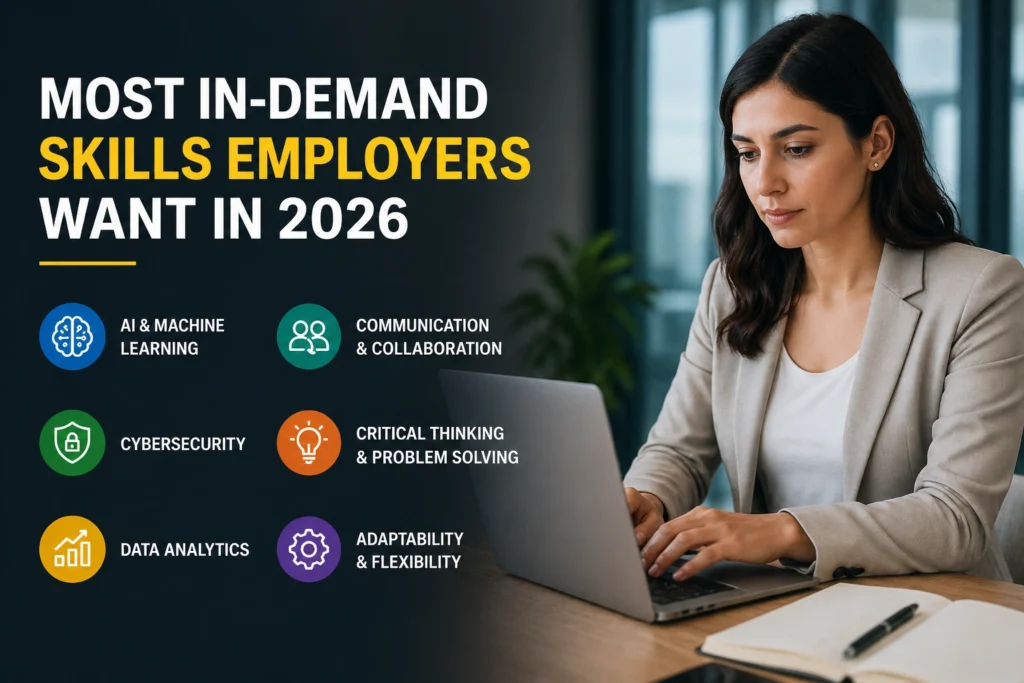
These are the abilities, competencies, and knowledge areas that employers actively seek because they directly impact productivity, innovation, and business growth. In 2026, these skills fall into three broad categories:
1. Digital and Technical Skills
Technology continues to reshape every industry—not just IT. Key skills include:
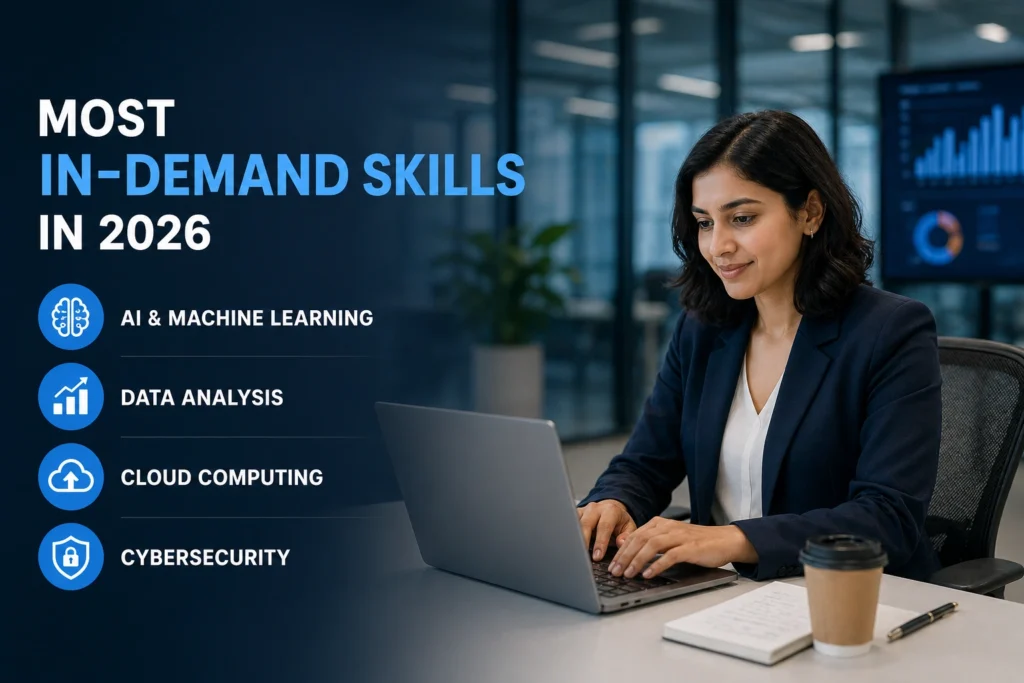
- Data analysis and data literacy
- Artificial intelligence (AI) basics
- Cybersecurity awareness
- Cloud computing
- Digital marketing and SEO
Even non-technical roles now require some level of digital fluency.
2. Human (Soft) Skills
Ironically, as technology advances, human skills are becoming more valuable:
- Communication and collaboration
- Problem-solving and critical thinking
- Emotional intelligence
- Adaptability and resilience
These are harder to automate and are crucial in dynamic work environments.
3. Business and Strategic Skills
Employers also want people who understand the bigger picture:
- Project management
- Financial literacy
- Leadership and decision-making
- Customer experience management
The most successful candidates combine all three categories.
ALSO APPLY FOR: Absa Junior Learnerships 2026
ALSO APPLY FOR: ( FLS ) People Experience Internship 2026
Why This Issue Matters
Ignoring the Most In-Demand Skills Employers Want in 2026 has real consequences.
1. Increased Unemployment or Underemployment
Many people remain unemployed not because jobs don’t exist, but because their skills don’t match what employers need.
2. Lower Earning Potential
Skills drive income. Those with high-demand skills often earn significantly more than those without them.
3. Limited Career Growth
Without updating your skills, promotions and new opportunities become harder to access.
4. Job Insecurity
Automation and digital transformation are replacing routine tasks. Workers without adaptable skills are more vulnerable.
5. Missed Opportunities in Emerging Industries
Fields like green energy, AI, and digital services are booming—but only for those with relevant skills.
In short, staying relevant is no longer about what you studied—it’s about what you can do right now.
Most In-Demand Skills Employers Want in 2026 (Detailed Breakdown)
1. Digital Literacy and Tech Adaptability
You don’t need to be a programmer, but you must be comfortable using technology. This includes:
- Understanding digital tools
- Navigating online platforms
- Using productivity software
2. Data Skills
Data is the backbone of decision-making in 2026. Employers value people who can:
- Interpret data
- Use tools like Excel or dashboards
- Make data-driven decisions
3. AI and Automation Awareness
AI is everywhere—from recruitment to customer service. Knowing how it works (even at a basic level) is a major advantage.
4. Communication Skills
Clear communication—both written and verbal—is critical in hybrid and remote workplaces.
5. Problem-Solving Ability
Employers want thinkers, not just task-doers. Being able to identify issues and propose solutions is highly valuable.
6. Adaptability and Learning Agility
The ability to learn new skills quickly is now a skill itself.
7. Collaboration and Teamwork
Working across teams, cultures, and even time zones is now the norm.
8. Leadership Potential
Even entry-level employees are expected to show initiative and ownership.
Step-by-Step: How to Build These Skills in 2026
Knowing the skills is one thing—building them is another. Here’s a practical roadmap:
Step 1: Assess Your Current Skill Level
Start by asking:
- What skills do I already have?
- Which ones are outdated?
- What do job listings in my field require?
Use job descriptions as a real-world benchmark.
Step 2: Identify Your Skill Gap
Compare your current skills with the Most In-Demand Skills Employers Want in 2026.
Focus on:
- 2–3 technical skills
- 2–3 soft skills
Avoid trying to learn everything at once.
Step 3: Choose the Right Learning Platforms
There are many affordable or free options:
- Online courses (Coursera, Udemy, LinkedIn Learning)
- YouTube tutorials
- Short certifications
Focus on practical, job-relevant learning—not just theory.
Step 4: Practice Through Real Projects
Skills become valuable when you can apply them:
- Build a portfolio
- Volunteer for projects
- Freelance or do internships
For example, if learning data analysis, analyze real datasets.
Step 5: Build Proof of Skills
Employers want evidence, not just claims:
- Certifications
- Portfolios
- Case studies
- Work samples
Step 6: Improve Your Personal Brand
Showcase your skills online:
- Update your CV
- Optimize your LinkedIn profile
- Share your work or insights
Step 7: Stay Consistent
Skill-building is not a one-time event. Dedicate time weekly to learning and practicing.
ALSO READ ABOUT: How to Apply for Apprenticeships Even If You Failed Matric
Best Practices Experts Recommend
Focus on Skills, Not Just Qualifications
Degrees still matter, but skills matter more. Employers increasingly prioritize what you can do.
Combine Technical and Human Skills
Being good at tech is not enough—you must also communicate and collaborate effectively.
Learn by Doing
Practical experience beats theoretical knowledge every time.
Stay Curious
Industries change fast. Continuous learning is essential.
Network Strategically
Sometimes opportunities come from who you know, not just what you know.
Mistakes People Often Make
1. Chasing Trends Without Strategy
Not every “hot skill” is relevant to your career path. Be intentional.
2. Ignoring Soft Skills
Many candidates focus only on technical skills and neglect communication and teamwork.
3. Not Practicing Enough
Watching tutorials without applying knowledge leads to shallow understanding.
4. Overloading Themselves
Trying to learn too many skills at once leads to burnout and poor results.
5. Not Showcasing Skills
Even skilled individuals struggle if they don’t present their abilities effectively.
Frequently Asked Questions (FAQs)
1. What are the most important skills to learn in 2026?
The Most In-Demand Skills Employers Want in 2026 include digital literacy, data analysis, communication, problem-solving, and adaptability.
2. Do I need a degree to gain these skills?
No. Many of these skills can be learned through online courses, self-study, and practical experience.
3. How long does it take to learn in-demand skills?
It depends on the skill, but with consistent effort, you can build foundational skills in 3–6 months.
4. Which industries require these skills the most?
Almost all industries—including finance, healthcare, retail, and technology—are looking for these skills.
Summary and Practical Advice
The job market in 2026 is not just competitive—it’s evolving. The Most In-Demand Skills Employers Want in 2026 reflect a world where technology and human ability must work together.
To stay ahead:
- Focus on both technical and soft skills
- Learn continuously and practically
- Build proof of your abilities
- Stay adaptable and open to change
You don’t need to master everything overnight. Start small, stay consistent, and build momentum over time.
The key is simple: the more relevant your skills, the more opportunities you create for yourself.
ALSO APPLY FOR: Absa Junior Learnerships 2026
ALSO APPLY FOR: ( FLS ) People Experience Internship 2026
ALSO READ ABOUT: How to Apply for Apprenticeships Even If You Failed Matric