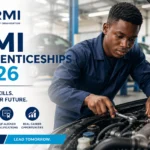

Finding a stable career can feel overwhelming for many young South Africans, especially when employers keep asking for experience that job seekers simply do not have yet. Thousands of matriculants and N2 graduates apply for jobs every year, only to face rejection because they lack workplace exposure, technical training, or industry-recognised skills.
This is exactly why programmes like SCO-TECH Learnerships 2026 matter. They offer unemployed youth an opportunity to gain practical engineering experience while developing technical skills that employers in industries such as manufacturing, maintenance, construction, and heavy engineering are actively looking for.
For young people interested in fields like welding, diesel mechanics, electrical work, or millwright training, this learnership could become an important first step toward long-term employment and artisan certification.
In this practical guide, you will learn what the SCO-TECH learnership programme offers, who can apply, how to prepare a strong application, common mistakes to avoid, and strategies that can improve your chances of being selected.
What Are SCO-TECH Learnerships 2026?
The SCO-TECH Learnerships 2026 programme is an engineering-focused workplace training opportunity aimed at unemployed South African youth between the ages of 18 and 35.
The programme combines:
- Practical workplace exposure
- Technical skills development
- Industry experience
- Structured learning within engineering environments
Successful applicants will gain experience within the Process and Maintenance Department, where they will work alongside skilled professionals and learn how engineering systems operate in real workplace conditions.
The learnership opportunities are available in:
- Pretoria, Gauteng
- Durban, KwaZulu-Natal
The application closing date is 04 June 2026, meaning applicants should begin preparing documents as early as possible.
APPLY HERE: SCO-TECH Learnerships 2026
Available Engineering Fields
One of the biggest advantages of the SCO-TECH programme is that it covers several artisan and engineering career paths. This gives applicants multiple options depending on their interests and qualifications.
Diesel Mechanics
Diesel mechanics work on trucks, industrial machines, generators, and heavy-duty engines. This trade remains in demand across transport, logistics, mining, and agriculture sectors.
Learners may gain exposure to:
- Engine maintenance
- Fault diagnosis
- Mechanical repairs
- Preventative maintenance
Instrumentation
Instrumentation technicians help maintain systems that monitor pressure, temperature, flow, and industrial automation.
This field suits learners who enjoy:
- Electronics
- Technical troubleshooting
- Process control systems
- Precision engineering
Rigger
Riggers specialise in lifting and moving heavy industrial equipment safely using cranes, pulleys, and specialised lifting systems.
This trade is important in:
- Construction
- Manufacturing
- Mining
- Heavy engineering plants
Welding
Welding remains one of the most practical artisan careers in South Africa. Skilled welders are needed in infrastructure projects, factories, shipbuilding, and fabrication workshops.
Training may include:
- Metal joining techniques
- Safety procedures
- Reading engineering drawings
- Equipment handling
Electrical
Electrical learnerships prepare candidates for work involving power systems, industrial installations, maintenance, and electrical fault finding.
This field suits applicants who enjoy:
- Problem-solving
- Technical systems
- Working with machinery
- Hands-on practical tasks
Millwright
Millwrights combine mechanical and electrical skills to install, repair, and maintain industrial machinery.
This is often considered one of the more versatile engineering trades because it includes:
- Mechanical systems
- Electrical systems
- Maintenance work
- Troubleshooting industrial equipment
Boilermaker
Boilermakers manufacture, repair, and assemble large steel structures and industrial equipment.
The trade involves:
- Fabrication
- Structural assembly
- Welding support
- Reading technical plans
Minimum Requirements for Applicants
To qualify for the SCO-TECH Learnerships 2026, applicants must meet specific minimum criteria.
Educational Requirements
Applicants need either:
- Grade 12 certificate, or
- N2 qualification
Mathematics and Science must have been passed subjects. These subjects are especially important in technical trades because engineering work often requires calculations, measurements, and problem-solving skills.
Age Requirement
Applicants must be:
- Between 18 and 35 years old
Citizenship Requirement
Only South African citizens may apply.
Additional Skills
Basic computer skills are required. Even technical trades now rely on digital systems, reporting tools, and workplace software.

APPLY HERE: SCO-TECH Learnerships 2026
Why This Issue Matters
South Africa continues to face high youth unemployment, particularly among young people without tertiary education or formal work experience. Many matriculants struggle to enter the labour market because employers prefer candidates with technical skills and practical exposure.
Engineering learnerships help address this challenge in several ways.
They Create Access to Skills
Many young people cannot afford university or private technical colleges. Learnerships create alternative pathways into skilled careers.
They Build Work Experience
One of the biggest barriers to employment is lack of workplace exposure. Learnerships help candidates gain real industry experience that can strengthen future job applications.
They Support Scarce Skills Development
Trades like welding, electrical work, and millwright maintenance remain critical in South Africa’s industrial economy. Skilled artisans are needed across multiple sectors.
They Improve Employability
Candidates who complete structured workplace training often become more employable because they understand safety procedures, technical operations, and workplace expectations.
For many unemployed youth, programmes like the SCO-TECH Learnerships 2026 can become stepping stones toward apprenticeships, trade tests, or permanent employment.
How to Apply for SCO-TECH Learnerships 2026
Applying correctly is extremely important. Many applications get rejected because candidates forget documents or ignore instructions.
Here is a practical step-by-step guide.
Step 1: Prepare Your Updated CV
Your CV should include:
- Personal details
- Educational background
- Technical subjects completed
- Computer skills
- Any practical experience
- Contact information
APPLY HERE: SCO-TECH Learnerships 2026
Keep your CV clean and professional. Avoid unnecessary graphics or complicated formatting.
Step 2: Gather Supporting Documents
You will likely need:
- Certified copy of your ID
- Certified copies of qualifications
- Matric certificate or N2 results
- Updated CV
- Other supporting certificates if available
Make sure copies are clear and readable.
Step 3: Check Your Contact Information
Many applicants lose opportunities because their phone numbers or email addresses are incorrect.
Before submitting:
- Confirm your cellphone number works
- Use a professional email address
- Check spelling carefully
Step 4: Submit Before the Deadline
The closing date is:
04 June 2026
Late applications may not be considered.
Avoid waiting until the final day because internet issues, upload failures, or missing documents can delay submission.
Step 5: Prepare for Possible Assessments or Interviews
Shortlisted candidates may be contacted for interviews or assessments.
Prepare by:
- Researching the engineering field you selected
- Understanding workplace safety basics
- Practising communication skills
- Reviewing your Mathematics and Science fundamentals
ALSO APPLY FOR: UPWID Online Learnership 2026
Best Practices Experts Recommend
Applicants who successfully secure engineering learnerships often follow several smart strategies.
Apply Early
Early applications reduce stress and allow time to fix document problems if needed.
Tailor Your Application
If applying for welding, electrical, or diesel mechanics, mention your interest in that specific field rather than sending a generic application.
Keep Certifications Organised
Save digital copies of all important documents in one folder so you can quickly apply for multiple opportunities.
Improve Your Computer Skills
Even basic skills like email communication, Microsoft Word, and online applications can make a difference.
Show Genuine Interest in Technical Work
Employers often prefer candidates who demonstrate enthusiasm for engineering, maintenance, or hands-on work.
Maintain Professional Communication
Answer calls professionally and regularly check your email inbox.
Mistakes People Often Make
Many strong candidates miss opportunities because of avoidable errors.
Submitting Incomplete Applications
Missing documents are one of the biggest reasons applications get rejected.
Always double-check before submitting.
Ignoring the Closing Date
Some applicants wait too long and miss the deadline completely.
Using Unprofessional Email Addresses
An email address filled with nicknames or random words can create a poor impression.
Applying Without Reading Requirements
Candidates sometimes apply even when they do not meet the Mathematics, Science, or age requirements.
Sending Poorly Written CVs
Spelling mistakes, unclear formatting, and incorrect information can reduce credibility.
Not Answering Unknown Calls
Recruiters may contact shortlisted candidates from unfamiliar numbers.
Career Opportunities After a Learnership
Completing a learnership does not always guarantee permanent employment, but it can significantly improve future career opportunities.
Possible paths after completion include:
- Apprenticeships
- Artisan development programmes
- Junior technician roles
- Maintenance assistant positions
- Industrial trainee opportunities
- Trade test preparation
Engineering skills remain valuable in industries such as:
- Manufacturing
- Mining
- Energy
- Transport
- Construction
- Industrial maintenance
Candidates who continue building experience and qualifications may eventually become qualified artisans with strong earning potential.
How to Stand Out From Other Applicants
Competition for engineering learnerships can be intense, especially in Gauteng and KwaZulu-Natal.
Here are practical ways to improve your chances.
Strengthen Your Technical Knowledge
Watch educational videos, read about engineering systems, and learn basic industry terminology.
Gain Exposure Wherever Possible
Even small experiences like helping in workshops, fixing equipment, or volunteering in technical environments can help build confidence.
Develop Soft Skills
Engineering employers value:
- Teamwork
- Communication
- Reliability
- Problem-solving
- Time management
Stay Physically and Mentally Prepared
Many engineering environments involve physical work, long hours, and safety-focused procedures.
Frequently Asked Questions
1. Do SCO-TECH Learnerships 2026 pay a stipend?
The advert does not specifically mention a stipend amount. However, many South African learnership programmes provide some form of training allowance. Applicants should monitor official communication for confirmation.
2. Can I apply with only Matric?
Yes. Applicants may apply with either Grade 12 or an N2 qualification, provided Mathematics and Science were passed.
3. Is previous work experience required?
No prior work experience is mentioned in the requirements. The programme is designed for unemployed youth seeking workplace exposure.
4. Can applicants from provinces outside Gauteng or KwaZulu-Natal apply?
The training locations are Pretoria and Durban, but applicants from other provinces may still apply if they are willing to relocate or travel if selected.
Final Thoughts on SCO-TECH Learnerships 2026
The SCO-TECH Learnerships 2026 programme offers more than temporary training. For many unemployed South African youth, it represents a practical entry point into technical and engineering careers that can lead to long-term opportunities.
Fields like electrical work, welding, diesel mechanics, instrumentation, and millwright maintenance continue to play important roles in South Africa’s economy. Skilled artisans remain essential across industries, which means technical training can provide greater career stability than many entry-level jobs.
If you meet the requirements, start preparing your documents immediately rather than waiting until the deadline approaches. Focus on submitting a clean, complete, and professional application. Small details such as a well-written CV, correct documents, and early submission can make a major difference.
Most importantly, treat the application seriously. Learnerships are highly competitive, but candidates who prepare properly, show genuine interest in engineering, and follow instructions carefully often place themselves in a much stronger position for selection.